
17 December 2025
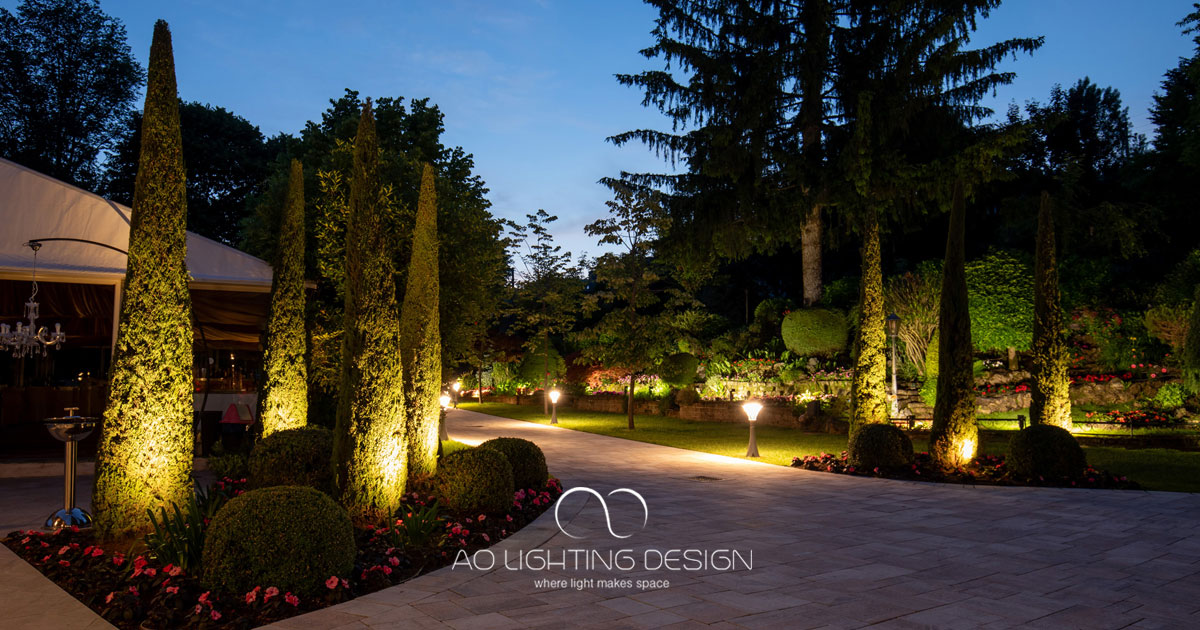
Why Urban Green Spaces Are Essential
Today’s cities face complex challenges: population growth, densification, traffic, climate change, and pressure on public spaces. In this context, urban green spaces represent far more than an aesthetic element: they are a key factor for people’s well-being and the sustainability of communities.
From a sustainable development perspective, designing consciously means looking beyond the building: it means thinking of public space as an ecosystem, an ecological infrastructure, and a resource for the community. Cities that integrate greenery into their urban structure not only improve citizens’ quality of life but also become more attractive for investments and sustainable tourism.
Modern cities are growing at an unprecedented rate. According to UN data, over 55% of the world’s population now lives in urban areas, and this figure is expected to reach 70% by 2050. In this context, the presence of urban green spaces becomes crucial: they are not merely aesthetic elements but real tools for well-being and urban resilience.
Parks, gardens, tree-lined streets, and public and private green areas contribute to improving air quality, reducing temperatures during heatwaves, and providing places for socialization, physical activity, and relaxation. Additionally, green spaces positively impact mental health: scientific studies show that the presence of vegetation reduces stress, anxiety, and cognitive fatigue.
However, for these spaces to be truly usable and safe, design alone is not enough: an integrated approach is needed that enhances the landscape through urban lighting and lighting design. Proper illumination not only extends usable hours but also increases the perception of safety, improves accessibility, and transforms the urban experience into something evocative and immersive.
Contents
- Landscape Architecture and Urban Green
- Environmental, Social, and Economic Benefits of Parks and Gardens
- Challenges of Contemporary Cities: Density, Safety, and Sustainability
- AO’s Role: Illuminating and Enhancing Urban Green Spaces
- Strategies for the City of the Future: Light, Design, and Accessibility
- Conclusion: Towards Safe and Attractive Urban Green Spaces
- Landscape Architecture and Urban Green
Landscape architecture is at the heart of designing parks and open spaces. It deals with organizing pathways, rest areas, recreational spaces, and green corridors that enhance urban quality of life. However, the true value of a landscape architecture project is achieved only when integrated with strategic lighting solutions.
A properly illuminated pedestrian path, playground, or urban garden can become safe, attractive, and usable even in the evening. Light thus becomes a tool for enhancing greenery, highlighting trees, flowerbeds, fountains, and sculptures without ever altering their natural essence.
The combination of landscape architecture and strategic lighting allows the creation of balanced and harmonious environments, where aesthetic perception and functionality coexist, making urban green an integral part of city life.
- Environmental, Social, and Economic Benefits of Parks and Gardens
The benefits of investing in urban green spaces and landscape architecture projects with integrated lighting are manifold:
Environmental
Green areas help mitigate the urban “heat island” effect, absorb CO₂ and pollutants, promote biodiversity, and improve stormwater management. Low-impact lighting allows extended use of these spaces without disturbing wildlife.
Social
Parks and gardens become places for social interaction, recreation, and physical activity. Strategic lighting increases perceived safety, allowing children, families, and the elderly to enjoy these spaces even after dark, promoting inclusion and social cohesion.
Economic
Well-designed and illuminated green spaces enhance surrounding property values, attract visitors, stimulate commercial activities, and encourage local investment. Additionally, safe and accessible parks help reduce social costs related to crime or urban decay.
International Examples
Cities like Copenhagen and Singapore demonstrate how well-designed lighting can transform parks and green areas into true urban attractions, supporting sustainable tourism, cultural activities, and greater nighttime safety.
- Challenges of Contemporary Cities: Density, Safety, and Sustainability
Cities face complex challenges: growing density, heavy traffic, limited public space, and climate change. These factors make the integrated management of urban green and lighting crucial.
The main challenges are:
- Urban Density: Limited space requires creative solutions, such as green corridors, green roofs, and multifunctional areas.
- Safety: Pedestrian paths and rest areas must be illuminated to prevent accidents and increase perceived safety.
- Sustainability: Low-consumption, adjustable LED lighting systems reduce energy impact, allowing evening use without waste.
- Accessibility and Inclusion: Properly illuminated green spaces become accessible to people with reduced mobility and children.
These challenges represent opportunities: integrating light as a tool for enhancement and safety allows urban green to become a central element of city resilience and quality of life.
- AO’s Role: Illuminating and Enhancing Urban Green Spaces
AO enhances greenery through innovative, customized lighting solutions, transforming parks and gardens into safe, functional, and attractive spaces.
AO’s contributions include:
- Landscape Lighting: Highlighting trees, flowerbeds, fountains, and urban architecture
- Safety and Evening Usability: Designing illuminated paths to increase perceived safety and accessibility
- Immersive Experience: Creating lighting scenarios that enhance greenery and surrounding architecture
- Sustainability: Using low-consumption LED technologies, automatic adjustment, and intelligent light control
For example, a medium-sized urban park can be transformed through lighting: clearly marked pedestrian paths, illuminated focal points on trees or sculptures, and welcoming rest areas improve usability and increase perceived safety. These landscape lighting interventions do not alter the nature of the greenery but enhance its social, aesthetic, and ecological function.
- Strategies for the City of the Future: Light, Design, and Accessibility
Building the city of the future means combining urban green, landscape architecture, and strategic lighting. Key strategies include:
- Integrating safely and effectively illuminated pedestrian and bicycle paths
- Creating light focal points to highlight trees, sculptures, or urban architecture
- Designing multifunctional public spaces usable both day and night
- Collaboration between urban planners, landscape architects, and lighting designers to create harmonious and coherent environments
- Encouraging citizen participation, involving them in the use and maintenance of spaces
Lighting thus becomes a fundamental tool to make parks attractive, safe, and livable, integrating aesthetics and functionality and ensuring a positive impact on citizens’ daily lives.
- Conclusion: Towards Safe and Attractive Urban Green Spaces
The city of the future will be green, safe, inclusive, and active 24 hours a day. Urban green spaces, designed with landscape architecture principles and enhanced by strategic lighting, become places of well-being, social interaction, and economic attractiveness, creating environments that combine nature, culture, and innovation.
AO plays a key role in this process: through advanced lighting design, parks, squares, and urban gardens become usable even in the evening, safe, evocative, and capable of enhancing surrounding natural and architectural elements. Lighting is not merely functional but becomes a tool for social inclusion, improving perceived safety, encouraging use, and strengthening community.
Looking ahead, cities that successfully integrate greenery, light, and urban design will be more resilient, sustainable, and desirable. The integrated approach between landscape architecture and lighting design allows underutilized green areas to become true urban landmarks, enhancing quality of life, social cohesion, and territorial value.
In short, the challenge is great, but the opportunities are even greater: building cities where urban greenery is not a luxury but an essential resource for collective well-being, and where light becomes a tool for safety, attractiveness, and harmony, means pursuing today the primary goal of contemporary urban planning and the strategic role of companies like AO.

Every project is an ongoing dialogue between creative vision and technical expertise, designed to bring to life lighting experiences that are coherent, sustainable, and impactful. If you’re developing a project and are looking for a partner who combines design, technology, and architectural sensitivity, contact us: the right light can change everything.
Latest articles
Smart Home and design: integrating technology and architecture
Smart Home and design as a strategic driver of spatial experiences In recent years, within the concept of smart home design, technology is no longer an accessory element but an integrated layer within architectural design, capable of influencing perception, behavior, and spatial performance …
Sustainable design solutions for commercial buildings
The strategic role of lighting design in green commercial architecture. Sustainable design and commercial spaces In recent years, the concept of sustainable building design has undergone a profound evolution. It is no longer solely about reducing energy consumption or complying with environmental regulations …

AO at LiGHT Expo London 2025: Illuminating with Vision, Technology and Sustainability
The LiGHT Expo 2025 took place on November 19–20, 2025, offering two days entirely dedicated to innovation in the art of lighting design.The event was held at the Business Design Centre in Islington, London, a landmark venue for design and architecture...