
26 January 2026
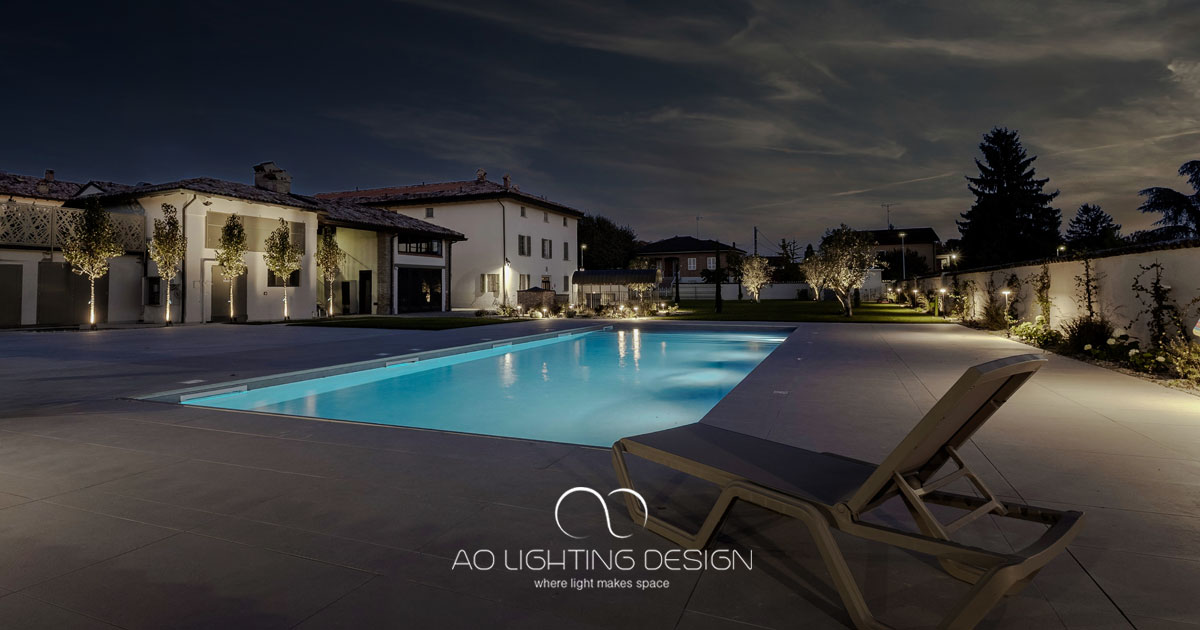
The strategic role of lighting design in green commercial architecture. Sustainable design and commercial spaces
In recent years, the concept of sustainable building design has undergone a profound evolution. It is no longer solely about reducing energy consumption or complying with environmental regulations, but about adopting a systemic approach that integrates efficiency, wellbeing and economic value.
In commercial buildings, this shift is even more evident. Retail, offices, hospitality and mixed-use spaces are now required to respond to complex demands: reducing environmental impact, improving people’s experience and strengthening brand identity. In this context, green commercial architecture cannot overlook a conscious and strategic approach to lighting design.
Indice
- Why sustainable building design starts with light
- Green commercial architecture: light as invisible infrastructure
- Lighting design and the reduction of environmental impact
- Energy efficiency and intelligent lighting control
- Natural light and artificial light: designing the balance
- Wellbeing, comfort and performance: the human value of sustainability
- Lighting design as a driver of brand identity and positioning
- AO and the strategic approach to sustainable building design
- Applications in the retail, hospitality and corporate sectors
- Lighting design and sustainability certifications
- Sustainability, data and return on investment
- The future of green commercial architecture lies in light
- Conclusions
- Why sustainable building design starts with light
Lighting is one of the elements that has the greatest impact on the energy consumption of a commercial building. However, its influence goes far beyond numerical data. Light affects how spaces are perceived, used and experienced.
A sustainable building design project that does not consider lighting design strategically risks being inefficient, inflexible and misaligned with real sustainability objectives. AO operates precisely at this level: designing light as a system, not as a simple technical provision.
- Green commercial architecture: light as invisible infrastructure
In green commercial architecture, light is an invisible yet decisive infrastructure. It is invisible because it is often not perceived as an autonomous design element, but it is decisive because it affects:
- energy consumption
- visual comfort
- spatial orientation
- perception of materials and volumes
- people’s behaviour
Sustainable lighting design enhances architectural efficiency without compromising identity on the contrary, it strengthens it.
- Lighting design and the reduction of environmental impact
Reducing environmental impact does not simply mean using low-energy light sources. It means designing less light, but better light.
AO approaches sustainability through:
- in-depth analysis of actual lighting needs
- elimination of over-illumination
- targeted selection of high-efficiency luminaires
- control of light pollution
This approach significantly reduces energy consumption and extends system lifespan, delivering tangible environmental and economic benefits.
- Energy efficiency and intelligent lighting control
Within the context of sustainable building design, efficiency is not static but dynamic. Intelligent control systems allow lighting to adapt to the real conditions of space usage.
Presence sensors, lighting scenes, automatic dimming and integration with building management systems make it possible to:
- reduce waste
- optimise energy consumption
- improve comfort
- increase spatial flexibility
AO integrates lighting design with advanced control solutions, transforming lighting into an active resource.
- Natural light and artificial light: designing the balance
One of the fundamental principles of green commercial architecture is the integration of natural and artificial light. The goal is not to replace one with the other, but to enable dialogue between them.
Sustainable lighting design:
- enhances natural light
- integrates it with efficient artificial solutions
- ensures visual continuity and comfort
- reduces the overall energy load
AO designs this balance in a bespoke manner, adapting it to functions, operating hours and the identity of the space.
- Wellbeing, comfort and performance: the human value of sustainability
Sustainability is not only environmental, but also human. Light has a direct impact on people’s psychophysical wellbeing: it influences attention, mood, productivity and the perception of time.
In commercial buildings, this means:
- improving the customer experience
- increasing employee productivity
- reducing stress and fatigue
Lighting design thus becomes a key tool in sustainable building design, capable of generating real value for people.
- Lighting design as a driver of brand identity and positioning
In commercial spaces, light is one of the primary vehicles of brand communication. A sustainable project does not renounce visual impact, but makes it coherent and conscious.
AO works on aligning:
- brand identity
- architectural design
- user experience
- energy sustainability
In this way, light becomes an integral part of brand strategy, reinforcing positioning and recognisability.
- AO and the strategic approach to sustainable building design
AO does not merely design lighting. It acts as a strategic partner in green commercial architecture projects, collaborating with architects, interior designers and stakeholders.
AO’s value lies in:
- an integrated design vision
- a consultative approach
- focus on long-term performance
- the ability to translate sustainability into tangible results
Light thus becomes a connecting element between aesthetics, efficiency and strategy.
- Applications in the retail, hospitality and corporate sectors
In retail, light guides the customer journey while reducing consumption. In hospitality, it creates welcoming atmospheres and optimises operational efficiency. In corporate environments, it improves comfort and supports employee wellbeing.
Across all these contexts, sustainable lighting design is an essential component of green commercial architecture.
- Lighting design and sustainability certifications
Major environmental certifications recognise the central role of lighting. LEED, BREEAM and WELL include specific criteria related to lighting, visual comfort and energy efficiency.
Well-designed lighting contributes significantly to achieving these standards, making sustainability measurable and verifiable. AO also supports projects in this area, facilitating the path towards certified buildings.
- Sustainability, data and return on investment
Sustainability is only effective if it is measurable. AO adopts a data-driven approach based on:
- consumption analysis
- energy KPIs
- lifecycle assessment of systems
- return on investment
This enables companies to transform sustainable building design into an economic and strategic asset.
- The future of green commercial architecture lies in light
The future of commercial buildings will increasingly focus on:
- human-centric lighting
- intelligent and adaptive systems
- integration of data, light and behaviour
- sustainability as a standard, not an exception
In this scenario, lighting design will be one of the key drivers of innovation in green commercial architecture.
- Conclusions
Sustainable building design finds one of its most powerful tools in light. In green commercial architecture, lighting design is not a technical detail but a strategic lever capable of reducing environmental impact, enhancing people’s experience and strengthening brand value.If you would like further insights or have a project to develop, get in touch.
AO supports companies and designers throughout this journey, delivering sustainable, intelligent and performance-oriented lighting solutions. Light thus becomes the meeting point between sustainability, identity and the future.

Ogni progetto è un dialogo continuo tra visione creativa e competenza tecnica, per dare vita a esperienze luminose coerenti, sostenibili e di impatto. Se stai sviluppando un progetto e desideri un partner che unisca design, tecnologia e sensibilità architettonica, contattaci: la luce giusta può cambiare tutto.
Articoli recenti
Smart Home and design: integrating technology and architecture
Smart Home and design as a strategic driver of spatial experiences In recent years, within the concept of smart home design, technology is no longer an accessory element but an integrated layer within architectural design, capable of influencing perception, behavior, and spatial performance …
Designing Green Urban Spaces: The Role of Landscape Architecture in the City of Tomorrow
Why Urban Green Spaces Are Essential Today’s cities face complex challenges: population growth, densification, traffic, climate change, and pressure on public spaces. In this context, urban green spaces represent far more than an aesthetic element …

AO at LiGHT Expo London 2025: Illuminating with Vision, Technology and Sustainability
The LiGHT Expo 2025 took place on November 19–20, 2025, offering two days entirely dedicated to innovation in the art of lighting design.The event was held at the Business Design Centre in Islington, London, a landmark venue for design and architecture...